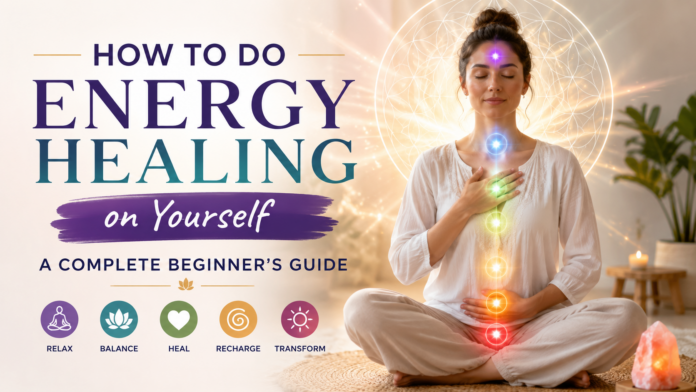
Learning how to do energy healing on yourself is a wonderful way to nurture your physical, emotional, mental, and spiritual wellbeing. Self-energy healing encourages you to reconnect with your body’s natural ability to restore balance while creating moments of peace in your daily life. Whether you’re feeling overwhelmed, emotionally drained, or simply looking to deepen your spiritual practice, these techniques can help you cultivate greater harmony from within.
While self-healing can be incredibly beneficial, it works best as a regular practice. Over time, you may notice improved emotional resilience, increased self-awareness, and a stronger connection to your intuition.
What Is Self-Energy Healing?
Self-energy healing is the practice of directing positive intention and awareness towards your own body and energy field. Many traditions believe that when energy flows freely, we experience greater wellbeing. Stress, emotional challenges, and daily pressures can sometimes leave us feeling out of balance, making it helpful to dedicate time to restoring that inner harmony.
Although every person’s experience is unique, many people describe feeling calmer, lighter, and more centred after practising energy healing.
Benefits of Energy Healing on Yourself
Regular self-healing may help you:
- Reduce stress and anxiety
- Promote emotional balance
- Improve relaxation
- Increase mindfulness
- Support spiritual growth
- Enhance self-awareness
- Create a greater sense of inner peace
These practices are not intended to replace professional medical care but can complement a healthy lifestyle and personal wellness routine.
Step 1: Create a Peaceful Space
Choose a quiet place where you can relax without distractions. You may wish to dim the lights, light a candle, or play calming music. The goal is simply to create an environment where you feel comfortable and safe.
Sit or lie down in a position that allows your body to fully relax.
Step 2: Set a Healing Intention
Intention is one of the most important aspects of energy healing. Take a few moments to identify what you would like to focus on.
You might say:
- “I welcome healing and balance.”
- “I release stress and tension.”
- “I am open to positive energy.”
- “May this practice support my highest good.”
A clear intention helps bring focus to your practice.
Step 3: Breathe Mindfully
Deep breathing helps calm your nervous system and prepares your body for relaxation.
Try this simple technique:
- Inhale slowly through your nose for four counts.
- Hold your breath for two counts.
- Exhale gently through your mouth for six counts.
- Repeat for five to ten minutes.
As your breathing becomes slower, notice your body becoming more relaxed.
Step 4: Visualise Healing Energy
Close your eyes and imagine a bright golden or white light surrounding your body. Picture this healing light entering through the top of your head and flowing gently throughout your body.
Imagine it releasing tension, clearing emotional heaviness, and restoring balance wherever it is needed.
Many practitioners enjoy combining visualisation with light language meditation, allowing them to deepen their sense of relaxation and energetic awareness.
Step 5: Use Gentle Hand Placement
Place your hands over areas where you feel physical discomfort or emotional heaviness, such as your heart, forehead, stomach, or shoulders.
As you breathe, imagine warmth and healing energy flowing through your hands into your body. Stay present without trying to force any particular outcome.
Often, simply sitting quietly with compassionate awareness is enough.
Step 6: Practice Gratitude
When you feel ready to finish, slowly bring your awareness back to your surroundings.
Take a few deep breaths and thank yourself for taking time to care for your wellbeing. Drinking water afterwards can help you feel refreshed and grounded.
You may also find it helpful to write in a journal about any thoughts, emotions, or insights that came up during your practice.
How Often Should You Practise?
Consistency is more important than duration.
Even 10 to 20 minutes a few times each week can become a meaningful part of your self-care routine. Some people enjoy practising every morning to begin the day with clarity, while others prefer evenings to unwind before sleep.
Listen to your body and find a rhythm that feels natural for you.
When to Seek Additional Support
Self-healing is a valuable personal practice, but there may be times when additional guidance can enhance your journey.
A professional Healing session can provide personalised support, helping you explore energetic patterns that may be difficult to recognise on your own. Every healing experience is unique, and working with an experienced practitioner often offers fresh perspectives and deeper relaxation.
If you’re unable to attend in person, long distance healing provides a convenient way to receive energy healing wherever you are. Many people also benefit from learning alongside experienced spiritual healers, who can introduce new techniques and help strengthen their confidence in self-healing practices.
Final Thoughts
Learning how to do energy healing on yourself is a journey of self-discovery rather than a destination. With regular practice, mindful breathing, visualisation, and positive intention, you can develop a greater sense of balance, resilience, and inner peace.
Approach each session with patience and curiosity. Over time, these simple practices can become an important part of your overall wellbeing, helping you reconnect with yourself and create space for healing, growth, and personal transformation.
FAQs:
- Can beginners learn how to do energy healing on themselves?
Yes. Beginners can start with simple practices like mindful breathing, meditation, visualisation, and setting positive intentions. Regular practice helps build confidence while supporting relaxation, emotional balance, and self-awareness.
2. How often should you practise self-energy healing?
You can practise self-energy healing daily or several times a week. Even 10 to 20 minutes per session may help you feel calmer, more centred, and better connected to your overall wellbeing over time.
3. What do you feel during self-energy healing?
Experiences vary from person to person. Some people notice warmth, tingling, deep relaxation, emotional release, or a greater sense of peace, while others simply enjoy a quiet moment of mindfulness and reflection.
4. Can self-energy healing replace medical treatment?
No. Self-energy healing should not replace professional medical advice, diagnosis, or treatment. It is best viewed as a complementary wellness practice that may support relaxation and emotional wellbeing alongside healthcare.
5. What is the best meditation for self-energy healing?
A guided meditation that combines deep breathing, visualisation, and positive intention is a great starting point. Many people also explore Light Language or mindfulness meditation to enhance their personal healing practice.
6. How long does it take to notice results from self-energy healing?
Everyone’s journey is different. Some people feel more relaxed after one session, while others notice gradual emotional and mental benefits through consistent practice over several weeks or months.
7. Can I receive professional energy healing if I cannot attend in person?
Yes. Many practitioners offer long-distance energy healing sessions, allowing you to receive guided support remotely. This option can be helpful if travelling to an in-person session is not practical.